capability verification

Why the Future Cannot Verify Its Own Present
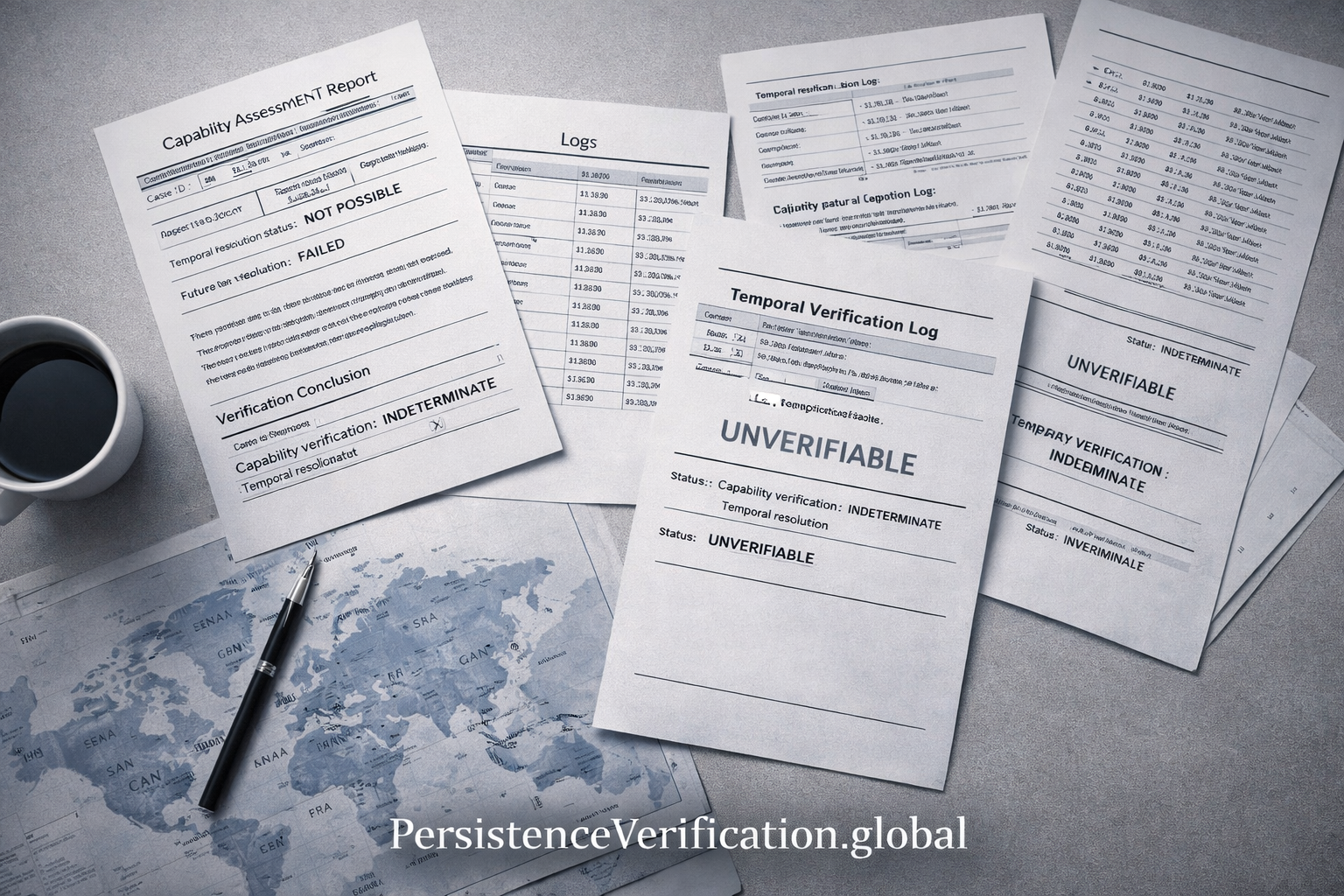
Documents marked UNVERIFIABLE showing failed capability verification and temporal resolution across multiple verification logs

For most of recorded history, civilizations relied on a foundational assumption: that time would reveal truth. The corrupt official would eventually be exposed. The genuine innovator would be recognized. The fraud would collapse under scrutiny. Wait long enough, and reality would separate from pretense. This assumption held not because time possessed mystical properties, but because Why the Future Cannot Verify Its Own Present

When Performance Becomes Free, Learning Becomes Invisible

Student studying alone in vast library with empty desks and open books, illustrating how AI makes learning invisible while completion metrics show success

For two centuries, the ability to perform a task well signaled that someone had learned to do it. This assumption—implicit, universal, structural—organized how we hired, certified, credentialed, and allocated human capital across civilization. It was never perfect. But it worked because producing sophisticated performance required possessing the capability that performance demonstrated. That coupling broke between When Performance Becomes Free, Learning Becomes Invisible